
Hugo
 Share
Share
 Tweet
Tweet
 Pin
Pin

Rate This Recipe
(5.0 - 1 vote)Thanks for your rating!
Comments:0
(be the first to comment)

 4.0
4.0
Thank you for your comment.
Once it's approved, it will appear here.
What is Hugo?
The Hugo was created in 2005 by Roland Gruber, a bartender working in the South Tyrol region of northern Italy - a mountainous area on the Austrian border where elderflower has long been used in local food and drink traditions. Gruber developed the cocktail as a lighter, more aromatic alternative to the Aperol Spritz, which dominated the regional aperitivo culture at the time. He built it around elderflower syrup, Prosecco, mint, and a splash of soda - a combination that felt simultaneously local and fresh. The drink spread rapidly through northern Italy and Austria through the late 2000s, crossing into Germany and Switzerland before becoming a pan-European summer staple by the early 2010s. Its international breakthrough came in the late 2010s and early 2020s when the broader spritz trend - driven largely by social media and the outdoor dining boom following the pandemic - brought the Hugo to the attention of drinkers in the UK, the US, and beyond. It is now firmly established as the second most recognisable Italian spritz after the Aperol, and interest in it continues to grow year on year in English-speaking markets where it remains relatively underexplored.
Don't forget to see what other drinks you can make with the ingredients you already have in your bar.
Taste Profile
The Hugo is noticeably lighter and more delicate than the Aperol Spritz — where the Aperol version is bittersweet and assertively orange, the Hugo is soft, floral, and gently sweet with a herbal freshness that makes it feel distinctly springlike. Elderflower leads the palate with its characteristic lychee-and-white-flower character, sweet but never cloying, supported by the clean effervescence of Prosecco which adds both dryness and lift. Fresh mint introduces a cooling herbal note that brightens each sip without dominating the drink, while the splash of soda water extends the volume and dilutes the sweetness to a perfectly refreshing level. The finish is clean, dry, and aromatic — one of the most sessionable and crowd-pleasing aperitivo drinks available.
Serving Suggestions
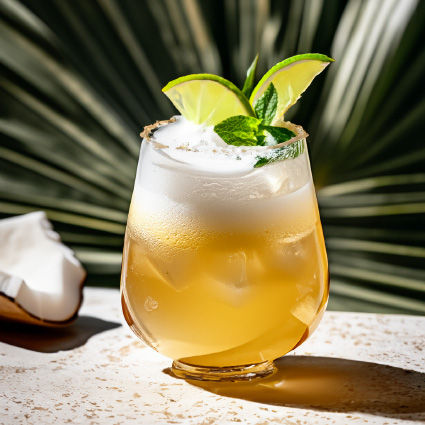
Serve in a large wine glass or balloon glass over two or three ice cubes — the wide bowl allows the mint and elderflower aromas to develop as you drink. Lightly bruise rather than aggressively muddle the mint; you want to release the essential oils without shredding the leaves and turning the drink bitter and green. A lime wheel or a thin slice of lemon on the rim adds a citrus note that bridges the floral elderflower and the dry Prosecco beautifully — the original recipe uses lime, though lemon works equally well depending on preference. For a more authentic South Tyrolean version, use elderflower syrup rather than elderflower liqueur and reduce the sparkling water slightly; the syrup produces a sweeter, more fragrant result and is closer to what Gruber used in the original. This is an ideal batch cocktail for garden parties — multiply all ingredients proportionally, build in a large jug without ice, and pour over ice to order.
Why You'll Love It?
- Ethereal, not overpowering — floral vodka and bright citrus make the flavor delicate but memorable.
- Customizable sweetness — simple syrup lets you fine-tune the sweetness to your taste.
- Chic and shareable — great for intimate gatherings or a refined twist to celebratory toasts.
Ingredients for Hugo
| My Bar | |
|---|---|
| 1 sprig mint leaves (buy) | ✘ |
| 4 oz prosecco | ✘ |
| ½ oz elderflower liqueur (e.g. St-Germain) (buy) | ✘ |
| 1 oz sparkling water (buy) | ✘ |
| change measure > | |
As an Amazon Associate I earn from qualifying purchases.
Step‑by‑Step Instructions
- In a wine glass add fresh mint leaves and elderflower liqueur.
- Gently muddle the mint leaves to release their essence.
- Top off the glass with chilled Prosecco for a sparkling base and add a splash of soda to enhance the effervescence.
- Stir gently to mix the ingredients, and garnish with a lime wheel for a citrusy and visually appealing finish(optional).